Technology
Platform
OMH's engineering philosophy is integration before differentiation. Propulsion, charging hardware, and grid intelligence share a common architecture — reducing cost, simplifying service, and compounding R&D.
OMH develops its own motor and battery pack architecture in-house. The focus is on performance under tropical heat and humidity, wide voltage tolerance for unstable grids, and a modular design that allows pack replacement at the module level.
The thermal management system is designed conservatively: rated capacity is achievable at 45°C ambient, not just in a climate-controlled lab.
Platform voltage
800V
Grid voltage tolerance
±25%
Operating temp
45°C
Battery protection
IP67
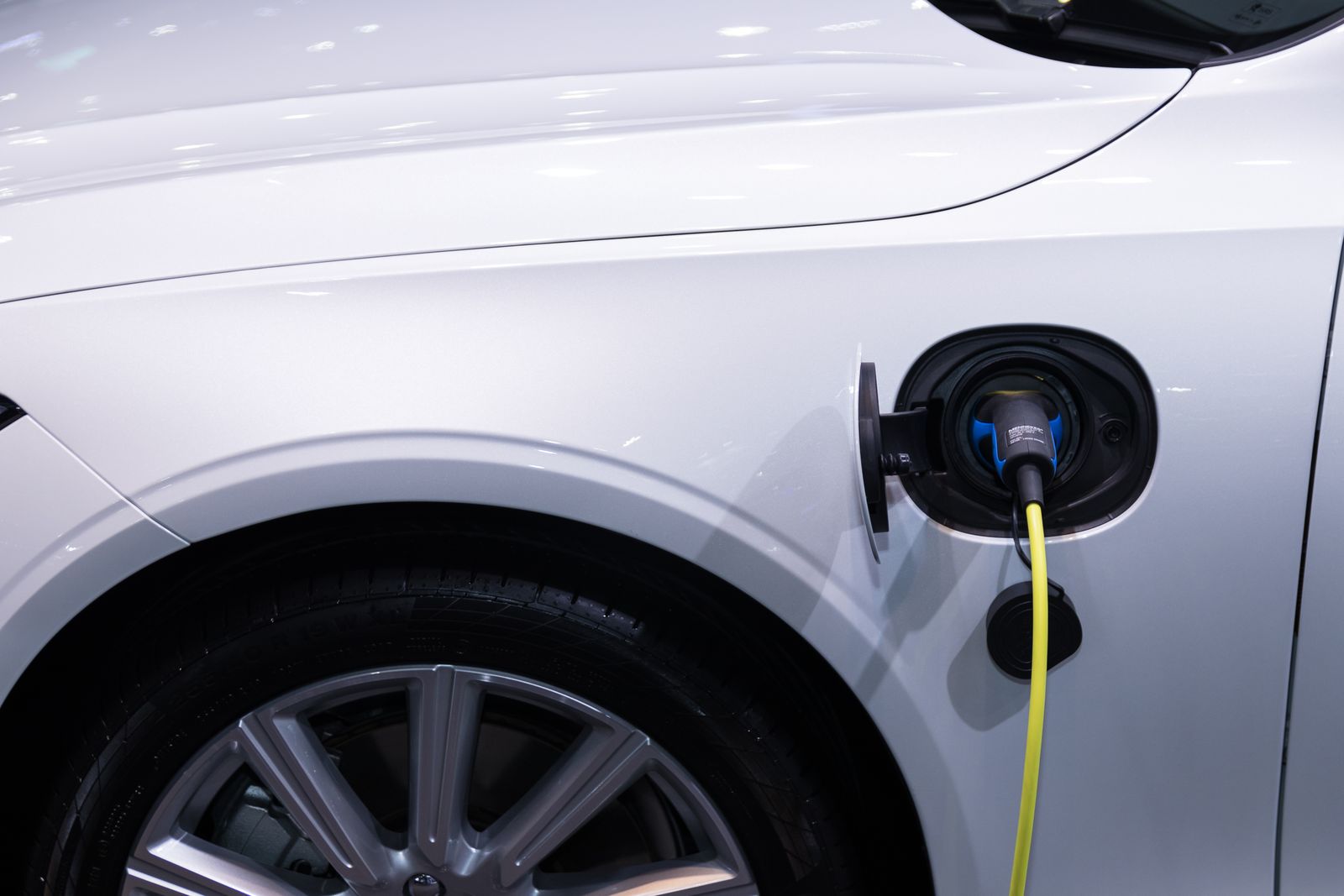
OMH Energy's charging hardware is designed as a scalable family: the same firmware, the same connector ecosystem, and the same management interface from a 7 kW AC home unit to a 240 kW DC highway station.
All units are OCPP 2.0.1 compliant and integrate natively with OMH Operate. Units are field-upgradeable — replacing firmware, not hardware.
AC range
7–22 kW
DC range
60–240 kW
Protocol
OCPP 2.0.1
Target uptime
99.9%
OMH Operate is the software layer that connects vehicles, chargers, and storage into a single observable network. It handles load balancing across sites, schedules charge sessions against energy pricing and grid capacity, and detects hardware anomalies before they become failures.
The system is designed for low-connectivity environments: edge-first processing means a site keeps functioning even when upstream connectivity is lost.
Architecture
Edge-first
API
REST + WS
Command latency
<200ms
Deployment
SaaS / on-prem
Our technical team is available for fleet operators, municipalities, and infrastructure partners.